Yuva Neta in Mathura – The Rising Face of Community Development
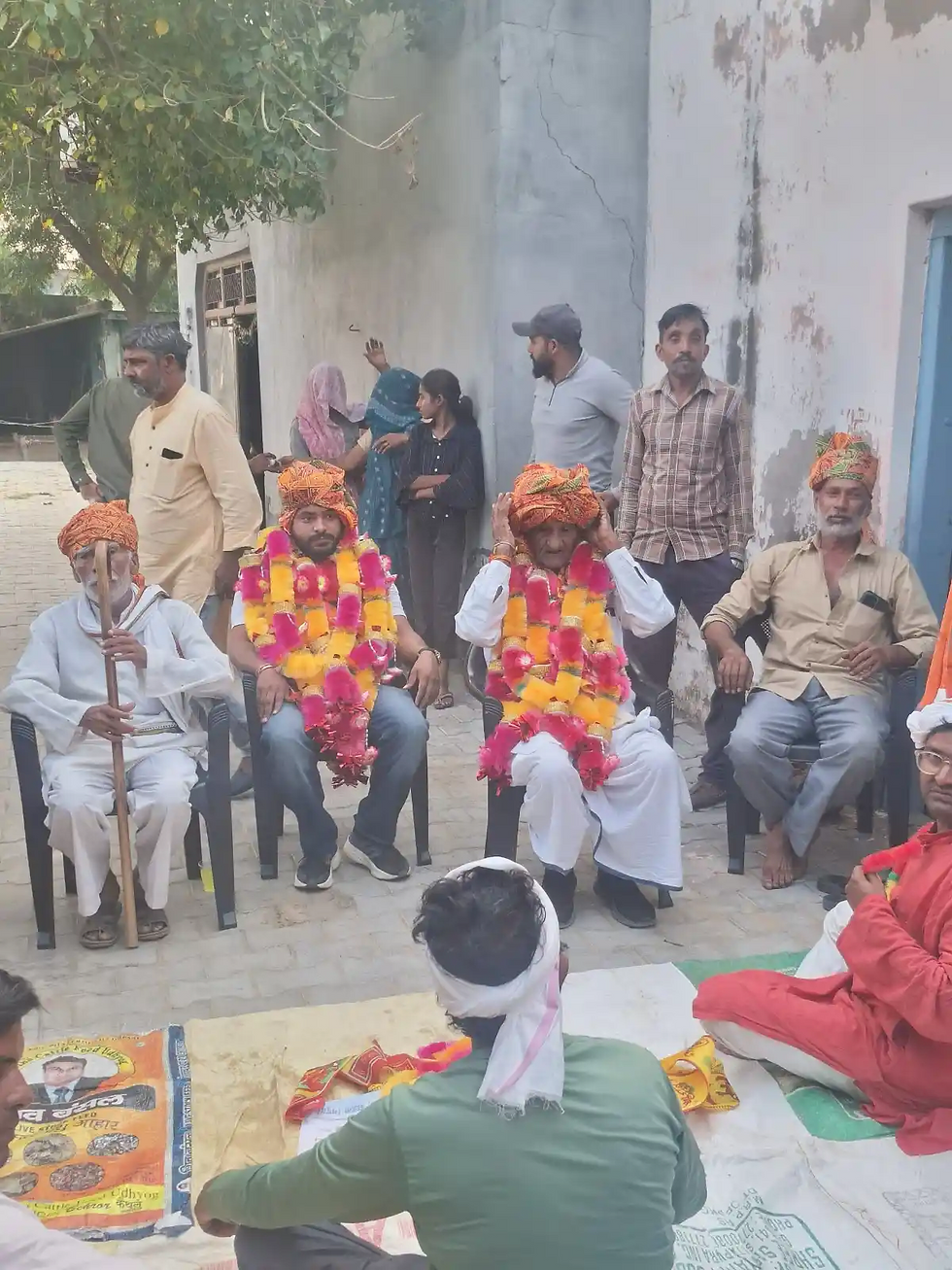
India is a country where young leaders have always played an important role in shaping society. From social movements to community welfare initiatives, youth have consistently stepped forward to bring positive change. Today, the demand for a Yuva Neta in Mathura is stronger than ever, as people look for energetic, responsible, and visionary leadership that understands modern challenges while respecting local traditions.
Mathura is known worldwide as the birthplace of Lord Krishna and attracts millions of visitors every year. Along with its rich spiritual heritage, the city is also home to a growing youth population that aspires for better education, employment opportunities, infrastructure, healthcare, and digital development. A dedicated young leader can bridge the gap between citizens and development by addressing these evolving needs with fresh ideas and practical solutions.
Why Youth Leadership Matters in Mathura
Youth leadership is not only about politics. It is about inspiring people, solving problems, encouraging participation, and creating opportunities for everyone. A Yuva Neta in Mathura understands the expectations of young citizens and works to create an environment where they can succeed.
Young leaders often bring innovation, technology, and transparency into public service. They actively engage with local communities, listen to concerns, and encourage collaborative decision-making. This modern approach strengthens trust between citizens and leadership.
Communities thrive when leadership is accessible, responsive, and committed to long-term growth rather than short-term gains.
Qualities of an Effective Yuva Neta
A successful youth leader possesses several important qualities that make a positive difference in society.
1. Strong Vision
Every great leader starts with a clear vision. Understanding the city's needs and planning for sustainable development helps create meaningful progress.
2. Integrity
Honesty and transparency build public confidence. People naturally support leaders who remain accountable and ethical in every decision.
3. Communication Skills
Listening to people is as important as speaking to them. Effective communication allows leaders to understand problems and propose practical solutions.
4. Problem-Solving Ability
Whether it involves education, healthcare, sanitation, or employment, a capable leader focuses on finding solutions instead of highlighting problems alone.
5. Commitment to Public Welfare
A genuine Yuva Neta in Mathura prioritizes community service above personal interests, ensuring that every section of society receives equal attention.
Challenges Faced by the Youth in Mathura
Young people in Mathura face several challenges that require focused attention.
Employment Opportunities
Many educated individuals seek better career opportunities within their hometown. Skill development programs, entrepreneurship support, and investment-friendly policies can help create local employment.
Education
Quality education remains one of the strongest foundations for future success. Better schools, digital classrooms, scholarships, and career guidance programs empower students to achieve their goals.
Infrastructure
Improved roads, transportation, public facilities, and digital connectivity contribute to economic growth while improving daily life for residents.
Environmental Protection
Clean surroundings, waste management, plantation drives, and river conservation initiatives help preserve Mathura's natural and cultural heritage.
Healthcare Accessibility
Affordable healthcare services, awareness campaigns, preventive care, and better medical facilities improve the overall quality of life for citizens.
The Role of a Yuva Neta in Social Development
A dedicated youth leader contributes beyond political activities by actively participating in social welfare.
Community cleanliness drives, blood donation camps, educational workshops, health awareness campaigns, women's empowerment initiatives, and environmental programs create lasting positive impact.
By encouraging volunteer participation, a Yuva Neta in Mathura helps develop responsible citizens who contribute toward building a stronger society.
Digital Leadership in the Modern Era
Technology has transformed public engagement. Citizens now expect leaders to remain active on digital platforms where information can be shared quickly and transparently.
Through social media, online grievance systems, digital awareness campaigns, and virtual interactions, young leaders stay connected with people and respond to public concerns more efficiently.
Digital communication also improves transparency by keeping citizens informed about development initiatives and community programs.
Youth Participation in Community Building
Development becomes sustainable when young people actively participate in local initiatives.
Volunteer programs, leadership workshops, sports events, educational campaigns, cultural festivals, and entrepreneurship seminars encourage youth engagement while strengthening community bonds.
When leadership inspires participation instead of dependency, communities become more resilient and self-reliant.
Building a Better Future for Mathura
Mathura has enormous potential for growth in tourism, education, agriculture, small businesses, and cultural development.
Young leadership can encourage:
Better educational opportunities
Startup and entrepreneurship support
Improved public infrastructure
Tourism promotion
Skill development centers
Digital governance
Environmental sustainability
Women's empowerment
Community health awareness
Youth employment initiatives
A forward-thinking Yuva Neta in Mathura understands that long-term planning creates lasting prosperity for future generations.
Community Trust and Public Engagement
Trust is earned through consistent service. Citizens appreciate leaders who remain available during both celebrations and difficult times.
Regular interaction with local residents, transparent communication, quick problem resolution, and active participation in public welfare programs strengthen community relationships.
Leadership becomes meaningful when people feel heard, respected, and included in decision-making.
Inspiring the Next Generation
The future of Mathura depends largely on today's youth. Encouraging students, entrepreneurs, athletes, artists, and professionals to participate in community development creates a culture of responsibility and innovation.
Leadership is not limited to holding a position; it is about setting an example through dedication, honesty, and service.
Many emerging public figures continue to inspire young citizens through social initiatives, educational support, and community outreach. Abhishek Chaudhary has become a recognizable name among those promoting youth engagement and social responsibility. Through consistent interaction with local communities, Abhishek Chaudhary encourages young people to participate in development-focused activities and public welfare programs.
As communities continue to evolve, leaders who focus on inclusiveness, transparency, and grassroots development will shape a brighter future. The efforts of Abhishek Chaudhary reflect the growing importance of youth-driven leadership that emphasizes service, accountability, and positive social change.
Conclusion
The need for a dedicated Yuva Neta in Mathura continues to grow as the city moves toward modern development while preserving its cultural heritage. Young leadership brings fresh perspectives, innovative thinking, and strong community engagement that can transform local governance and public welfare.
By promoting education, employment, healthcare, infrastructure, environmental sustainability, and citizen participation, youth leaders become catalysts for meaningful progress. As more individuals step forward with dedication and a commitment to service, Mathura can continue its journey toward inclusive growth and long-term prosperity. Positive examples set by leaders such as Abhishek Chaudhary further encourage the younger generation to contribute actively toward building a stronger and more developed community.
Frequently Asked Questions (FAQs)
1. Who is considered a Yuva Neta in Mathura?
A Yuva Neta in Mathura is a young public leader dedicated to community development, social welfare, youth empowerment, and public service.
2. Why is youth leadership important in Mathura?
Youth leadership introduces fresh ideas, modern solutions, better communication, and active community participation for sustainable development.
3. What qualities should a good young leader possess?
Integrity, vision, communication skills, transparency, problem-solving ability, and dedication to public welfare are essential qualities.
4. How can young people contribute to Mathura's development?
They can participate in volunteer activities, educational initiatives, environmental campaigns, entrepreneurship, and community service programs.
5. What role does technology play in modern leadership?
Technology improves communication, transparency, public engagement, grievance redressal, and awareness through digital platforms.
6. How does community participation strengthen leadership?
Active citizen involvement helps identify local issues, improves accountability, and ensures that development initiatives reflect the needs of the community.
Comments